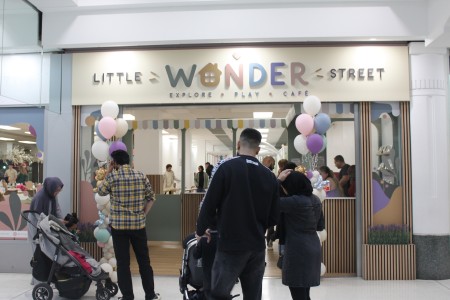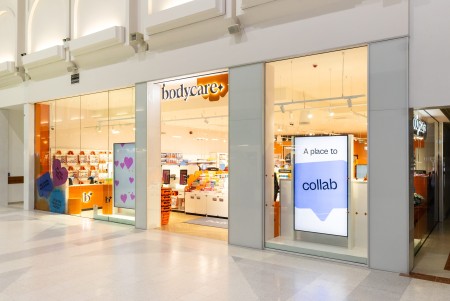

A research paper I wrote in 2008 asked if there was a ' one size fits all' formula to successful retail destinations across Europe. The answer was no, but the 'why' was difficult to pinpoint. I wish the term placemaking was in our verbiage back then.
Every place is unique, and in our day-to-day lives we experience countless places. We are therefore all experts on what makes a good place. If it's bad, we can choose not to go back, and it's often because the environment, manifest through placemaking, doesn't meet our expectations for its purpose. Emphasising uniqueness through design and community are essential components to address this, particularly in retail. Get this right and people will come back again and again, and brands will continue to commit.
In terms of design, retail always sits within a unique architectural context. This can be a Victorian arcade, such as Redical's Victoria Quarter in Leeds, or a modern out-of-town mall, and everything in between. Embracing architecture with thoughtful design - materials, signage, colour palettes, graphics, artwork, flooring - can root the space in a local story that connects people to the place. This is then elevated with community-centric layering.
Listening and co-creating environments with shoppers, residents, civic groups and retailers, ensures the regular users of a place feel a sense of ownership and pride. Their needs and aspirations can be reflected. If they want more greenery and open space, find a way. If they want better security, improve it. If you do, they are more likely to return. At Redical, this is central to our approach as we explore long-term improvements to The Liberty Romford shopping centre. So, embracing sympathetic design and community inclusivity can ensure placemaking is tailored to the uniqueness of the place. One size certainly doesn't fit all.