With one of the strongest retail catchments in the UK, editor Harriet Whitaker paid a visit to Leeds to find out why the city attracts so many shoppers every year.
For this instalment of CityScapes, the spotlight is on Leeds. With one of the most robust retail catchments in the United Kingdom, research recorded by Leeds City Council shows that there have been over 45 million visits to the city centre so far this year.
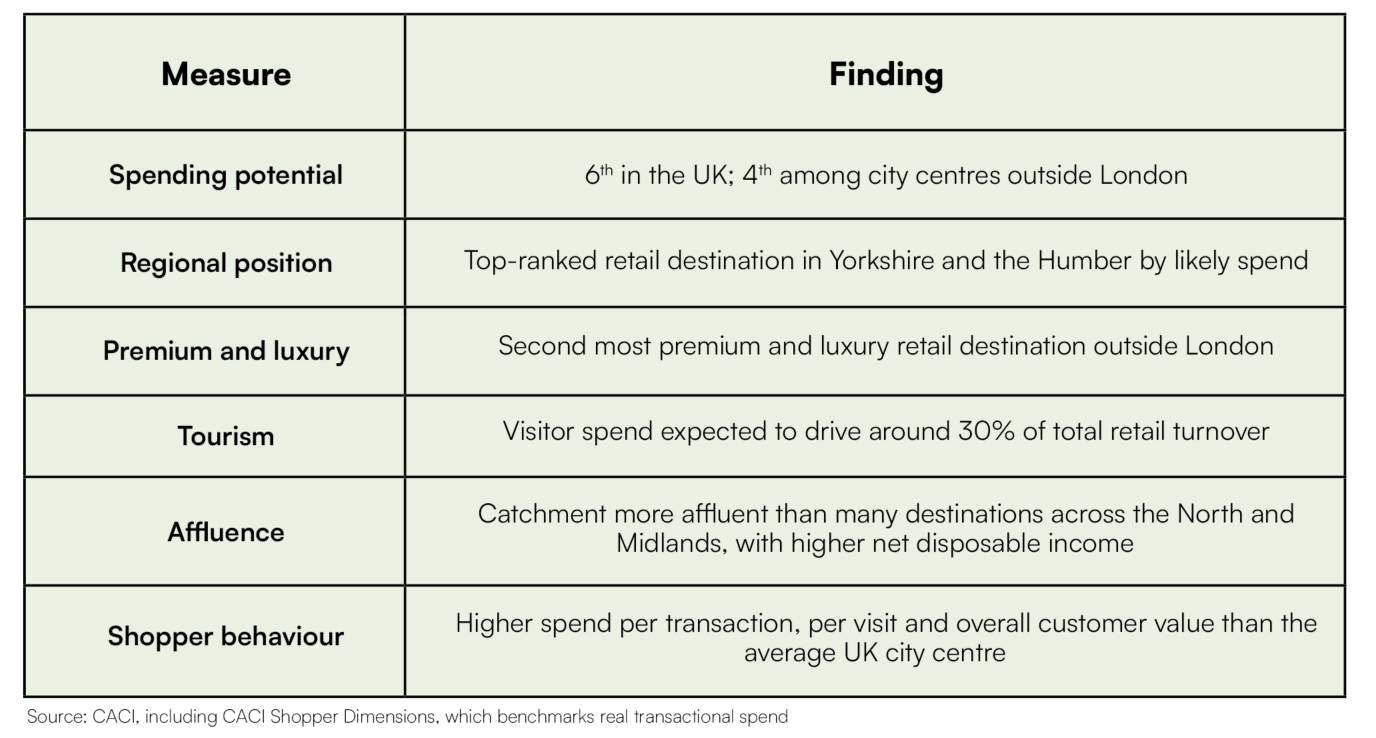
As this whopping footfall figure is now exceeding levels that were recorded at the same time period last year, it is easy to see why people are so keen to shop here. Moreover, Leeds’ catchment ranks sixth nationally for spending potential, and fourth for city centres outside of London, according to CACI, the data specialist focused on people and place.
CACI also reveals that Leeds is the most dominant retail destination within Yorkshire and the Humber and when ranking locations by how much people are likely to spend, it comes out on top in the entire region.
Being crowned as the leading premium and luxury destination outside London, as well as ranking as the second most premium retail destination outside of the capital, it is no wonder the city attracts those higher‑value shoppers.
CACI says that the Leeds catchment is more affluent than many other destinations across the North and Midlands, with a higher net disposable income. As expected, this affluence translates into higher spending.
When these visitors do spend, this spend value is strong and expected to drive around 30% of total retail turnover, meaning jewellery and watch businesses situated here are reaping the benefits, supporting both footfall and sales.
Looking at how shoppers actually behave using CACI Shopper Dimensions (which benchmarks real transactional spend), Leeds shoppers spend more per transaction, spend more on each visit and have a higher overall customer value than the average UK city centre.
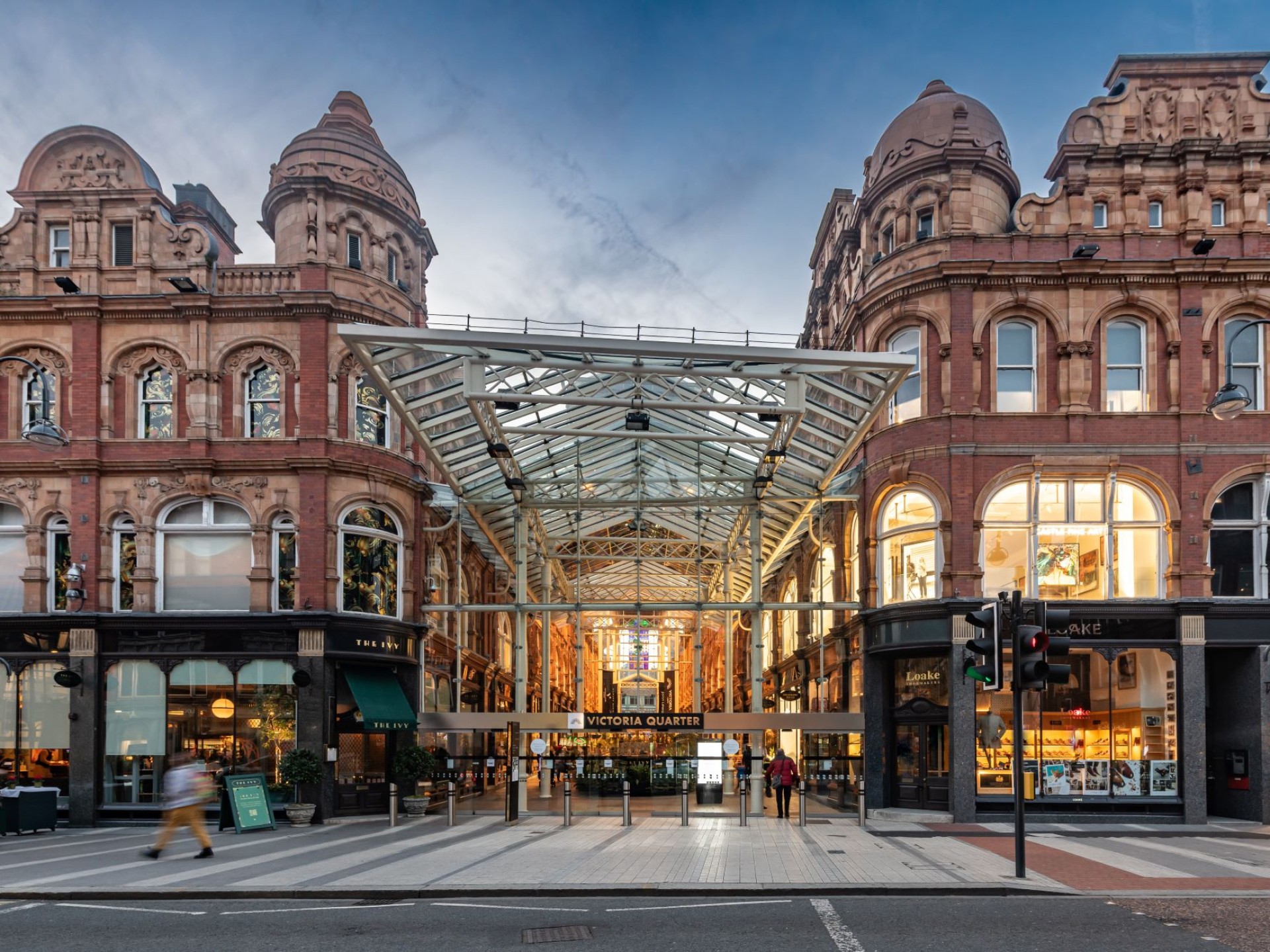
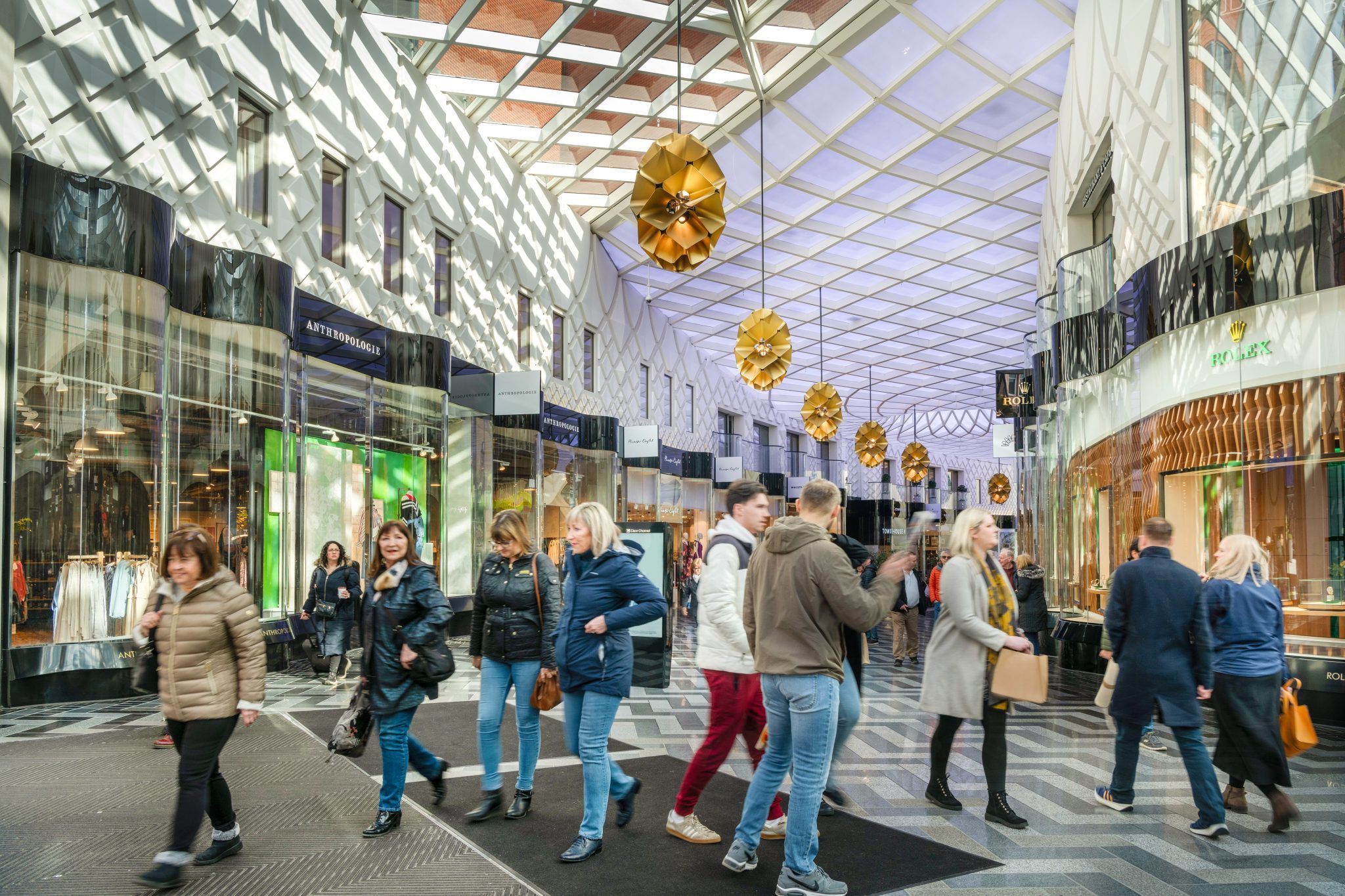
A huge draw to the city is the calibre of retail there. Coincidentally, I visited the city in the same month that Victoria Leeds, the city’s premier shopping destination, began celebrations for its tenth birthday. The centre spans across two sites, one of which being a spectacular Grade II listed building, known as Victoria Quarter.
A decade ago, the £165 million project culminated in the opening of Victoria Gate, which transformed Leeds city centre and brought together two remarkable destinations. By combining the contemporary architecture and retail experience of Victoria Gate with the historic beauty and heritage of Victoria Quarter, Victoria Leeds was born. The 405,000 square foot development strengthened Victoria Quarter’s already established reputation.
Over the last ten years, Victoria Leeds has made a name for itself as much more than just a shopping destination. It’s a place where fashion, beauty, dining, culture and community come together. Interestingly, the centre is anchored by the region’s only John Lewis & Partners, which is accompanied by its wide jewellery and watch offering.
Varied yet carefully curated, each shopper is catered for as a range of price points are present. Within Victoria Leeds sits brands, jewellers and retailers like APM Monaco, Astrid & Miyu, Berry’s Jewellers, Boodles, Coach, Daniella Draper, John Lewis, Lisa Angel, Missoma, Monica Vinader, Phillip Stoner the Jeweller, Rolex by Prestons, Thomas Sabo, Watchfinder and Yorkshire Jewellery Ltd.
As for Victoria Leeds’ position in the city, Rachel Bradburn, who is head of leasing at Redical (owners and operators of Victoria Leeds) says that each business has the ability to develop its own identity within the centre, whilst also sitting well beside the complementary tenant mix.
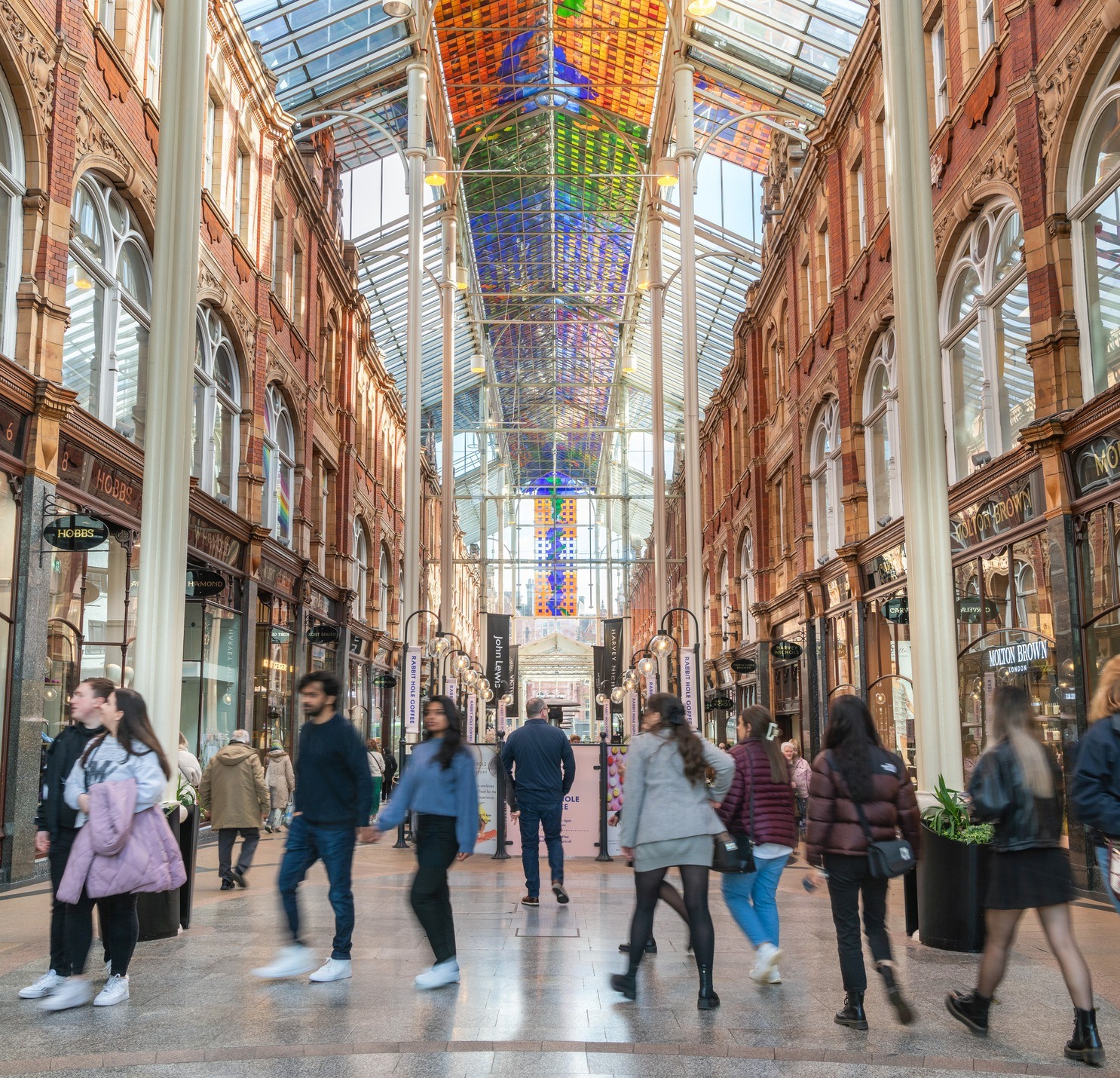
This is particularly evident with jewellery and watches and key to why they have become a defined part of the tenant mix there, rather than being spread across Leeds more evenly. “Victoria Leeds offers a distinctive retail experience, combining the contemporary, evolving Victoria Gate with the historic grandeur of Victoria Quarter, with Victoria Quarter ideally positioned as a destination for the most sought-after fine jewellery brands,” Bradburn says.
It is becoming increasingly common for retailers and brands to opt to be in close proximity to like-minded businesses, and it is increasingly beneficial. Who doesn’t like some healthy competition! Bradburn says many companies “regularly request to be located alongside them, reinforcing our strategy to create a cohesive, must-visit destination that meets the diverse aspirations and needs of our catchment.”
She continues: “According to CACI, Leeds ranks second only to London for its proportion of premium and luxury brands, and our concerted effort to curate an exceptional tenant mix has made it the destination of choice within the city.”
In terms of curating this mix, Bradburn explains that the approach mainly combines proactive brand targeting with an evidence-led leasing strategy. “We analyse sales, footfall category performance and catchment demographics to identify demand, pinpoint opportunities and ensure every decision strengthens Victoria Leeds’ premium positioning,” she explains.
This insight is complemented by Victoria Leeds’ on-site presence and close relationship with retailers and brands operating under the centre’s umbrella, allowing the team to anticipate opportunities for successful brands to expand or upgrade, rather than simply react to lease events. “Ultimately,” Bradburn highlights, “it is about understanding what our customers want, where the scheme can evolve, and which brands will add lasting value – creating a distinctive and commercially successful destination.”
Many of the retailers situated in the centre echo this sentiment. For Jonathan Stoner, managing director of Phillip Stoner the Jeweller, the setting is as much a commercial advantage as an aesthetic one. “The historic arcades of The Victoria Quarter offer our clients a safe, luxurious environment with more privacy to view jewellery than stores on an open high street,” he says.
Phillip Stoner the Jeweller began as a small family-run business in Yorkshire in 1982 and over the years, the company’s reputation has led to expansion, with multiple boutiques in the heart of Leeds. Jonathan Stoner took over from his father, Phillip, in 2008.
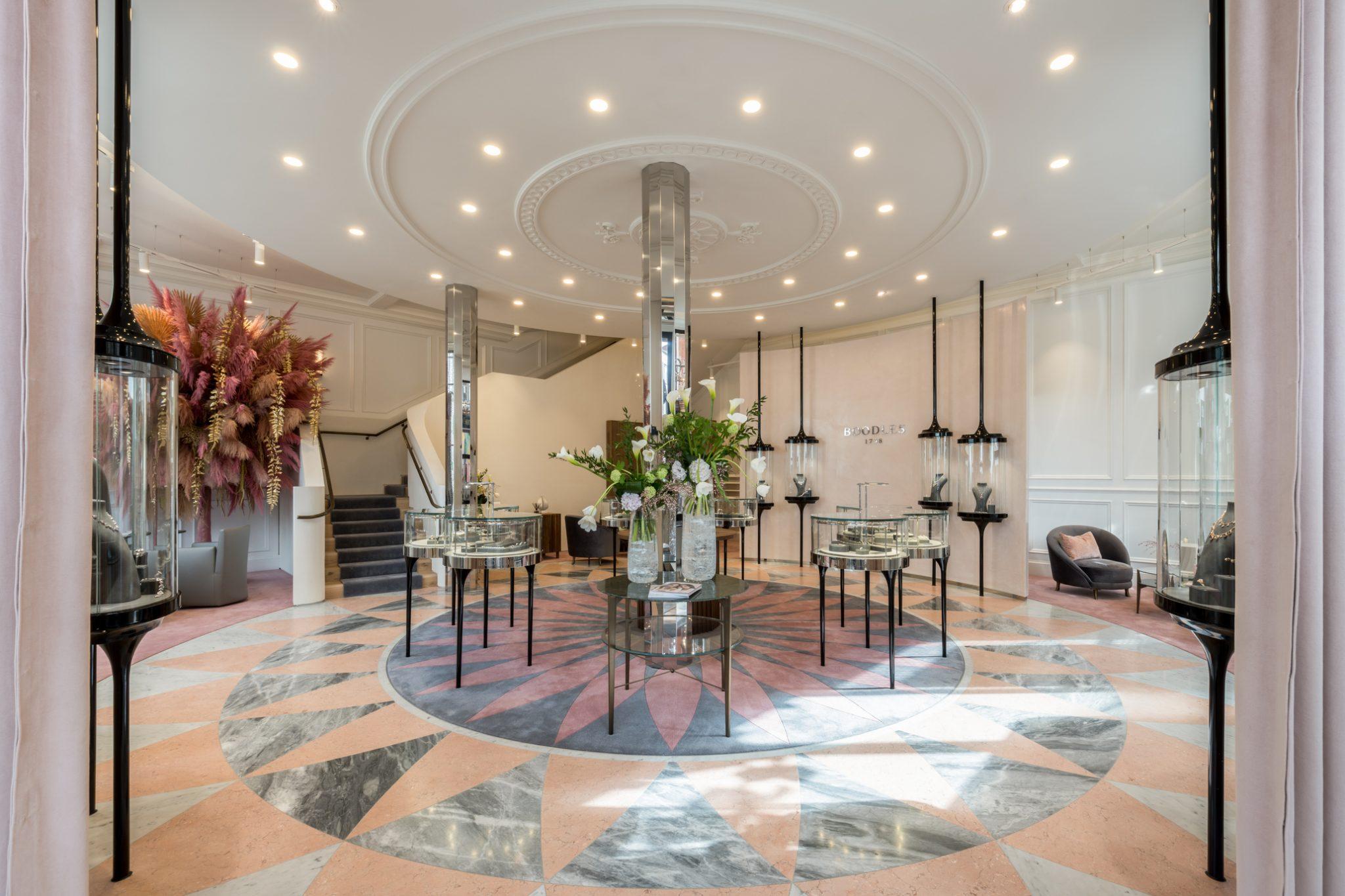
Long-standing retailer Boodles has had a presence in Leeds for the past five years. Founded in 1798, the company is still family-owned and run. MD Jody Wainwright describes a similar pull to Stoner, explaining that Victoria Leeds “feels like a very natural home for us. It’s a beautiful setting, we’re surrounded by some exceptional brands and people come here expecting a special experience. We like to think of our Leeds showroom as a haven of calm amidst the bustle of the city centre, somewhere clients can step away from the pace of everyday life and become immersed in the world of Boodles.”
Meanwhile for Thomas Sabo, the architecture does some of the selling. “The Victoria Quarter has a distinctive character, from its architecture and stained glass to the atmosphere of its arcades,” says Robert Stronge, head of retail UK and Ireland.
“Customers come here deliberately, take their time and are open to discovering something new.” The surrounding brands matter just as much to APM Monaco, which occupies Unit 34. Elie Fernandez, head of the brand’s marketing and PR communications for Europe, UAE and Americas adds: “We are not simply selling jewellery; we aim to convey an entire universe and lifestyle. Being surrounded by brands that share the same commitment to experience and image naturally reinforces our positioning.”
Berry’s Jewellers, not unlike Boodles, has history on its side. Simon Walton, managing director of the family-run jeweller, says that Berry’s has been in the Victoria Quarter almost since the millennium and, while it has four stores across Leeds, the area is “key to the Berry’s brand and Leeds portfolio”.
Rebecca Hiley, Victoria Leeds’ brand relationship manager, acts as the primary strategic bridge between the centre’s management team and the tenants that occupy the space. She works closely with each individual brand and retailer on things like security, presentation standards, or joint marketing campaigns.
Taking a proactive approach to tenant relationships by regularly reaching out to brands where there are opportunities for them to benefit from wider centre marketing activity, Hiley ensures companies are presented with opportunities that would suit their offer, such as the Christmas Gift Guide, Style Pods and digital channels.
Furthermore, this is complemented by day-to-day operational support, including the security buddy system, which gives brands a regular point of contact.
Hiley’s job also involves tracking things like footfall and dwell time in the centre, and evaluating how this has changed over the past few years.
Monitoring footfall closely and complementing this with weekly sales data from its brands allows Hiley to get a better understanding of both volume and quality of spend. “Encouragingly, growth within the jewellery category continues to demonstrate strong consumer appetite for premium and luxury purchases at Victoria Leeds,” she says. Jewellery and luxury spend is also specifically tracked as part of this process, allowing the centre to best support tenants with any challenges they might be facing or questions they might be asking.
It is without doubt that Victoria Leeds plays a significant role in driving footfall to the jewellery and watch stores, rather than just past them. This takes place through having a proper support system, boosted by events, in-centre marketing, concierge services, VIP days and more exciting opportunities to encourage shoppers to spend. Hiley explains that at Victoria Leeds, retailer support extends well beyond opening day. “Our extensive retail liaison programme provides ongoing insight, resources and tailored support to help brands thrive, underpinned by strong long-term relationships,” she elucidates.
“Victoria Leeds continues to see strong performance in the jewellery and watches category. Regular performance reviews analyse sales and footfall, while cross-category meetings, monthly tours for new starters and collaborative events encourage knowledge-sharing and strengthen the retail community, with some events selling out in just 15 minutes.”
The centre’s positioning also enables it to deliver VIP shopping experiences, and through partnerships with luxury residential developments and five-star retreats, Victoria Leeds is able to extend its reach through concierge services that introduce new audiences to the centre and everything it has to offer.
Ten years of Victoria Leeds has also positively impacted the way in which shoppers move through the city as well as the shopping centre, although not every retailer feels the shift in the same way. Stoner calls the expansion “a huge benefit”, explaining that there is “a natural walkway from the car park and John Lewis, through beautiful architecture, shops, bars, and restaurants to the Victoria Quarter, which attracts both tourists and shoppers.” Stronge concurs, explaining that iconic department store John Lewis acts as a crucial anchor that brings “shoppers who might not otherwise have visited this part of the city” into the historic arcades, thus boosting footfall.
Other businesses see it as an addition rather than a turning point. Walton, for example, does not think the balance of footfall has shifted at all. “The Victoria Quarter is a destination in its own right,” he says. “It draws people from all over the north of England for luxury goods and fashion, so it has a huge catchment area of people who come to the beautiful, historic Victoria Quarter.” Whereas Wainwright says Boodles has “never been solely dependent on passing footfall”, with many clients coming deliberately, “whether that’s for an appointment, a particular occasion or simply to see the team, have a glass of something lovely and see what’s new.”

Leeds is home to another shopping centre, Trinity Leeds, located just a short walk away from Victoria Leeds. Jo Coburn is the centre director for Victoria Leeds, but explains that the two are positioned to appeal to distinct, complementary shopper demographics. This is then leveraged to strengthen Leeds as a city-wide destination.
She continues: “Our strong working relationship with the Trinity team provides valuable insight into visitor profiles, and each scheme’s unique positioning, informing our focus on the needs and aspirations of the affluent, aspirational shopper. With each destination’s tenant mix tailored to its audience, the two schemes complement one another to create a diverse, compelling retail offer that enhances the wider city centre experience.”
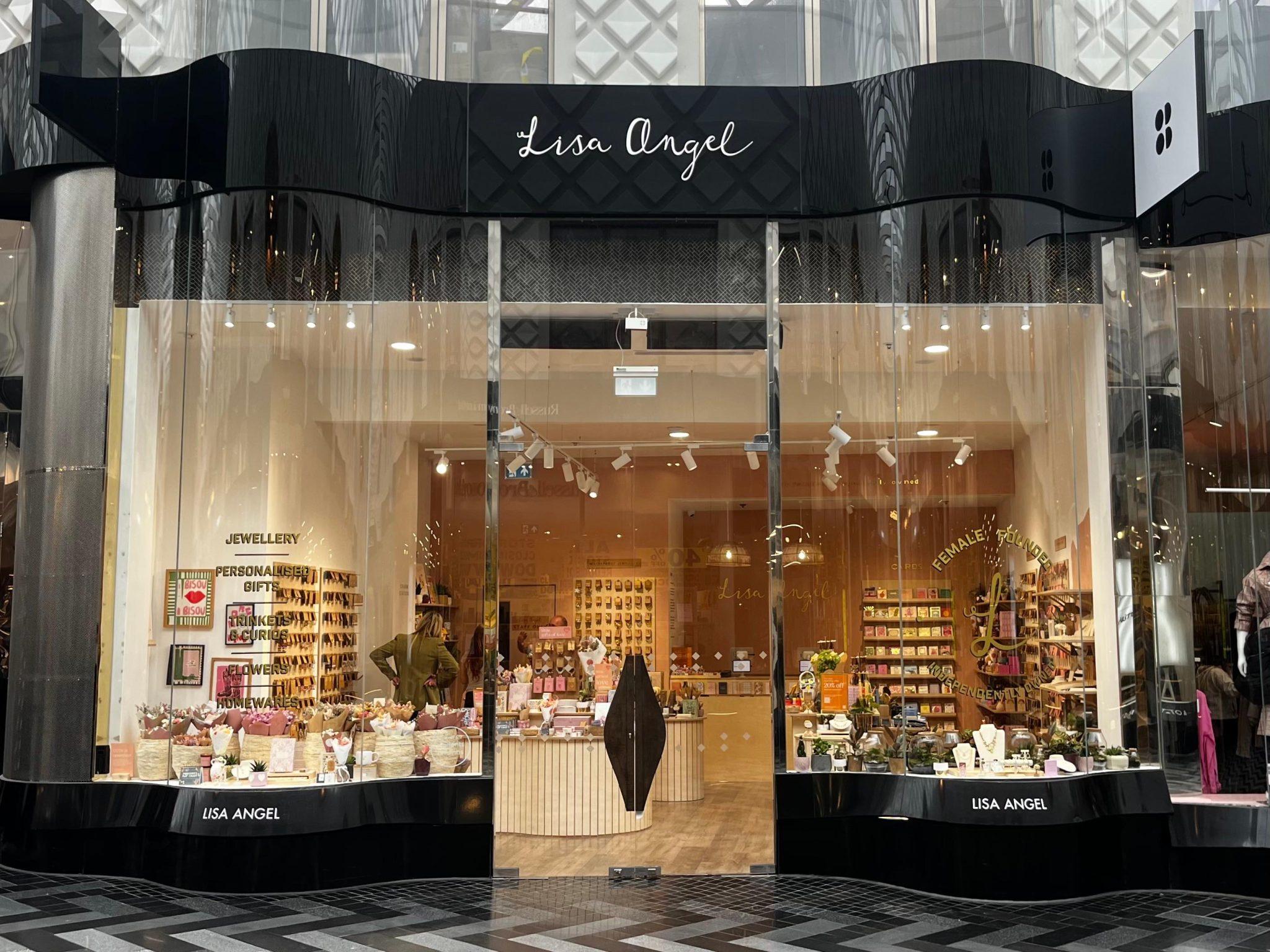
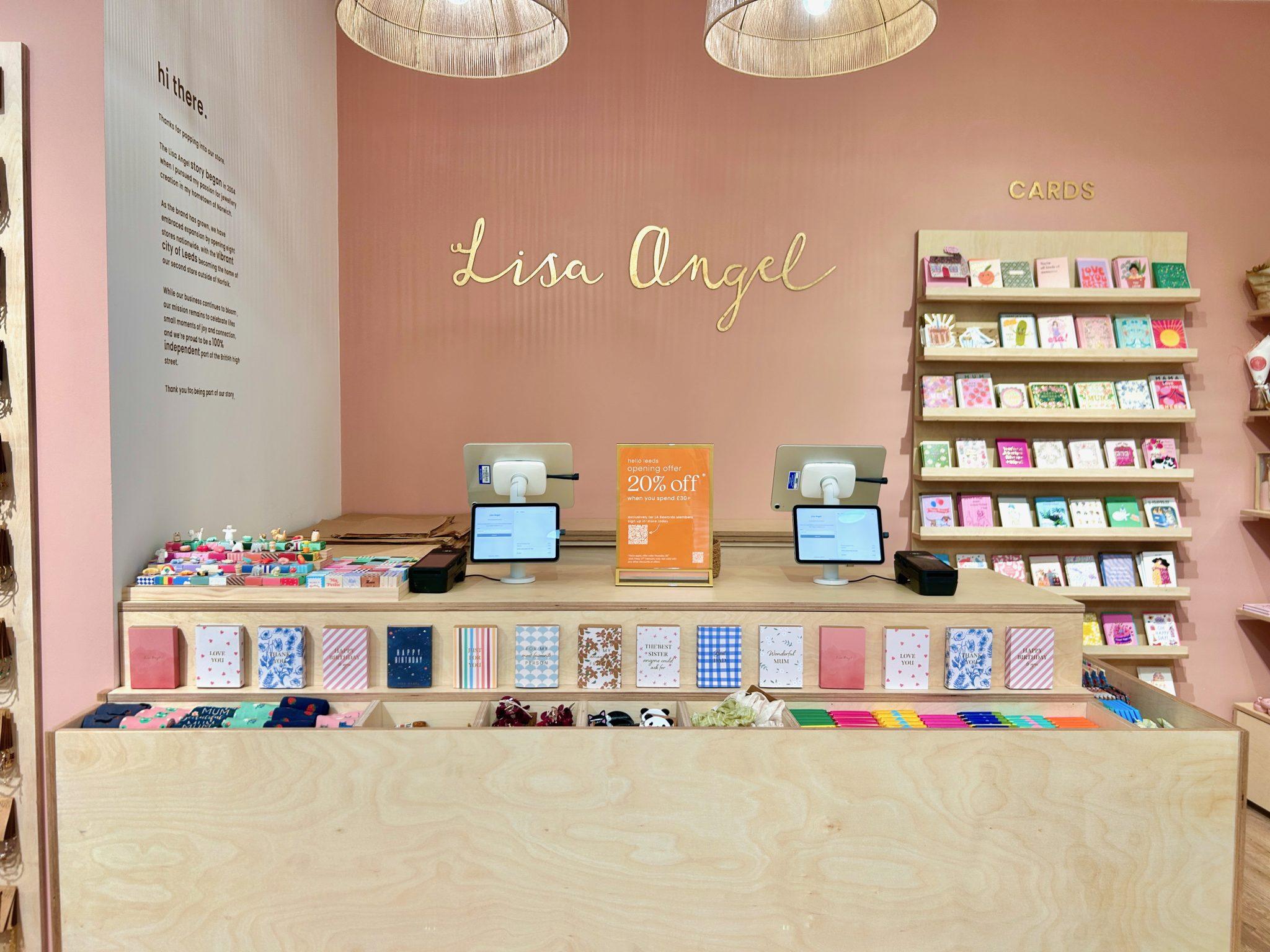
Jewellery retailers and brands are also clear that the two centres serve distinct and different purposes. “They offer different experiences, and Leeds has room for both,” says Stronge, who adds that Victoria Leeds customers “tend to visit with a purpose, take time to explore and be more willing to invest in a purchase.” Lisa Angel’s managing director, James Moody, puts it slightly differently, highlighting that “Trinity Leeds is fantastic for everyday high street retail, but Victoria Leeds is where customers go for a true destination experience – whether treating themselves or shopping for meaningful gifts.” Opened in 2004 in Norwich, Lisa Angel is an independent jewellery, accessory, homeware and giftware retailer, which now operates eight stores across the country.
It is clear that Victoria Leeds tenants are fond of what it offers. Walton believes that “the Victoria Quarter offers a much more luxurious environment than Trinity. It also attracts an older demographic of clients, which is very much our target audience.” Stoner, whose business has stores in both centres, shares a similar viewpoint: “Victoria Leeds will always stand out for its luxury.”
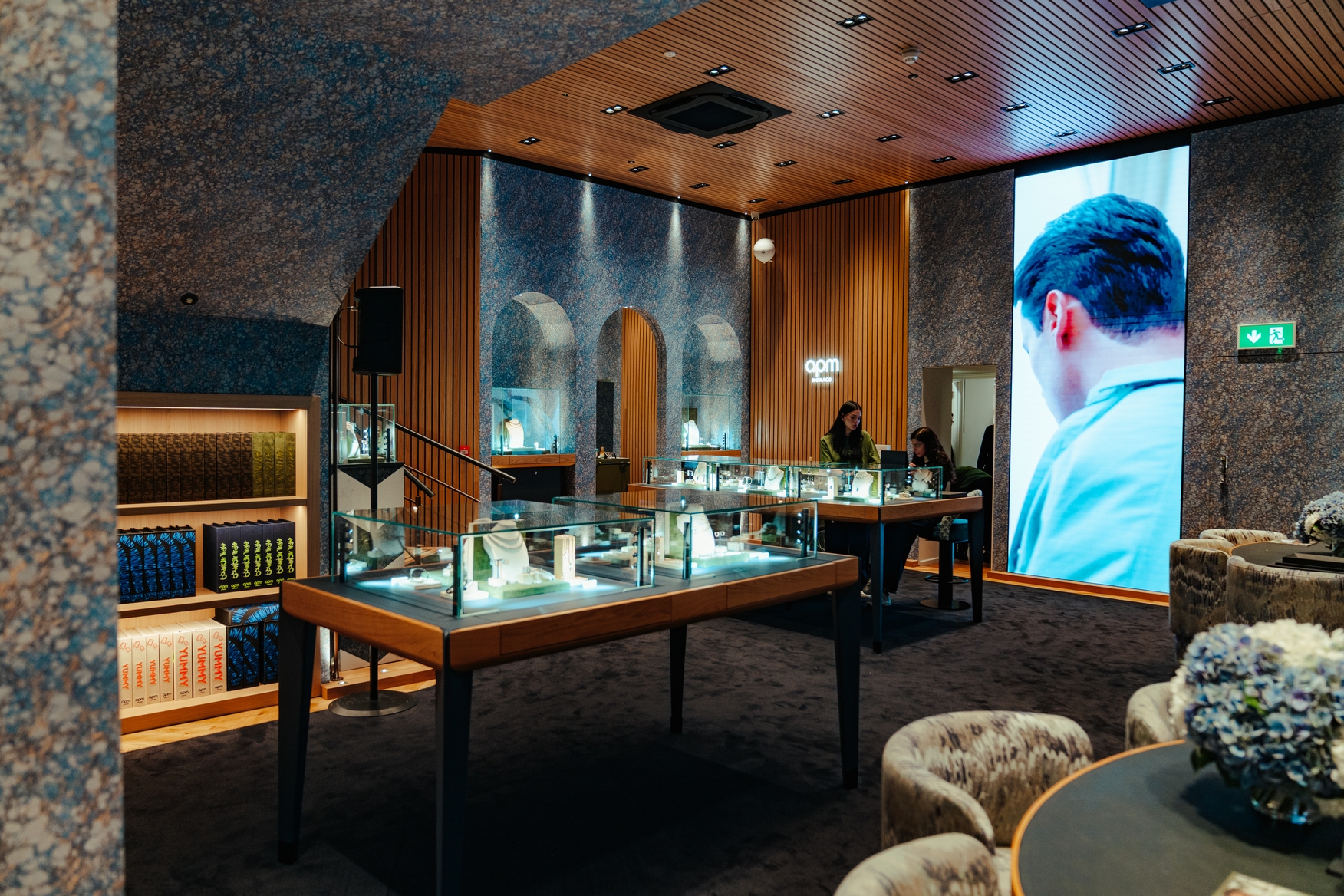
So, who is the typical Victoria Leeds jewellery shopper? Well, according to Coburn, someone who shops at Victoria Leeds is affluent and aspirational, with higher spend per transaction and visit than the UK city-centre average. “Their purchases are not solely occasion-led, they shop for both gifting and self-purchase, reflecting a broader appetite for luxury and premium brands. Surrounded by a strong luxury retail ecosystem, Victoria Quarter in particular offers a compelling destination for jewellery shoppers that encourages discovery, cross-shopping and repeat visits.”
And how is that translating into sales? The companies we heard from largely paint an optimistic picture, despite it being shaped by a time of cautious shoppers, especially with the cost of living crisis enduring. Boodles “has just enjoyed a record third quarter”, according to Wainwright, who says clients travel to the Leeds showroom “from across Yorkshire and beyond”.
Stoner also happily reports that his company’s trading is up on this time last year, buoyed by “an increase in larger spends”, while Walton says Berry’s is “about level with last year, which we’re happy with”. Lisa Angel, which opened its eighth store at Victoria Leeds in early 2026, is “proving to be one of our strongest store launches to date”, according to Moody.
Thomas Sabo’s Stronge says the brand has had a “solid year,” although not without its challenges, as shoppers consider purchases more carefully. This observation certainly lines up with CACI’s picture of higher spend per transaction. “Our average spend per customer has increased compared with two or three years ago,” Stronge elucidates. “Customers may be visiting our stores less frequently, but when they do come in, they tend to have a clear idea of what they are looking for, meaning they are shopping with intent.”
Similarly, Wainwright has also noticed a change in who is buying. “One of the most interesting shifts we’re seeing at Boodles is women increasingly choosing fine jewellery for themselves,” he says, with pieces bought to mark “a significant birthday, a promotion, a business achievement or simply reaching a point in life they want to mark.” This directly echoes Coburn’s description of consumers buying for both gifting and self-purchase. “The milestone doesn’t necessarily need to come with a gift from somebody else anymore,” Wainwright adds.
It would be remiss not to touch on metal prices and how this is impacting footfall and purchasing habits. Where gold has climbed sharply, jewellers are responding in very different ways. Walton says gold has “increased massively over the last eighteen months”, but that Berry’s has been cushioned by a fall in diamond prices. “We’ve been active in the diamond markets and bought a lot of them at very competitive prices, so the rise in metal prices has been balanced out by lower diamond prices,” he explains. Diamonds sparkling in the window seem to be catching the eye of consumers over gold.
At Phillip Stoner, the outlook is more mixed. “Because of the volatility of precious metal and diamond prices, we’re constantly having to adjust our prices to stay competitive, which does affect our margins,” Stoner explains. Even so, there has been “a huge increase in demand for 18ct yellow gold jewellery”, and the on-site workshop gives the business “greater control over costs” when creating its own collections and bespoke pieces.
Brands opting to work with other materials generally have more wiggle room. For example, Thomas Sabo has accelerated work on premium alloy and steel collections to offer “the appeal of gold jewellery at a more accessible price”, and Stronge says its focus on sterling silver leaves it “less exposed to gold price movements than brands more heavily focused on that metal.”
Across the way, APM Monaco has developed its own alloy, which Fernandez says makes the brand “less directly exposed to fluctuations in certain traditional precious metals”. At the top end, Boodles argues that the metal is not the point. “The real value lies in the artistry, distinctive design and craftsmanship of each piece, together with the quality, rarity and provenance of the materials we select,” Wainwright declares.
Where the growth is coming from depends on who you ask. For Berry’s, bridal and bespoke are booming, unsurprisingly, as customers are more driven to wanting something that is unique to them. Walton reveals that oval diamonds in yellow gold and platinum have “really improved our sales”, and the retailer’s two in-house designers create bespoke pieces and redesigns made in its own workshops. Lab-grown stones have no place in the business: “Berry’s will only ever sell natural diamonds.”
On the same wavelength is Phillip Stoner, as the company also leads with natural diamonds, but has curated a small lab-grown collection to meet rising demand. “Personalised and bespoke pieces have always been a core part of our business, but we have seen a rise in demand for redesigns and/or restorations of inherited pieces,” Stoner says.
Among the fashion and charm-led brands, personalisation and licensing are driving traffic. Thomas Sabo’s Charm Club has been boosted by the ever-popular Hello Kitty and Peanuts collections, which Stronge says are “attracting fans of the characters who may not previously have visited a Thomas Sabo store”.
Charms also work well at Lisa Angel, with its interactive Charm Station creating “a real buzz in-store”, according to Moody. The retailer’s personalised jewellery is seeing double-digit demand growth, closely followed by bridal party gifting, as brides and bridesmaids choose the store for “customised, matching keepsake jewellery and gifts”. APM Monaco, on the other hand, “operates more like a fashion house than a traditional jeweller”, as stated by Fernandez, launching four main collections a year to give customers “new reasons to return”.
Across every price point, the common thread is that an in-store experience has to be worth it and give people a reason to leave their homes and screens. For Stoner, this materialises in having a workshop on site, where pieces can be made, restored and repaired “without needing to send items away, which clients appreciate”. He continues: “Being able to resize a newly purchased engagement ring the same day is also a huge advantage.”
At Boodles, Wainwright says everything has to feel “six-star”, from one-to-one appointments to a glass of champagne while talking to the team. For Thomas Sabo, Stronge says “personalisation is a strong driver of conversion, with our engraving service playing a particularly important role.” APM Monaco’s teams help customers explore Mix & Match styling, which Fernandez calls “an integral part of APM Monaco’s identity”, in boutiques where “materials, lighting, fragrance, music” all play their part. Lisa Angel takes a more theatrical route. “Watching or helping build a piece at our Charm Station or having a gift hand-stamped in real time removes buying hesitation,” Moody says.
Keeping customers coming back is the next challenge. APM Monaco’s Wonderland programme offers complimentary lifetime cleaning, restoration services, a recycling scheme and a three-year international warranty. Thomas Sabo’s Charm Club works differently, with personal collections that grow over time, marking birthdays, milestones and meaningful moments.
On the jeweller side, Phillip Stoner now works with digital asset management platform ValuCert to offer digital valuations that can be updated annually, which the managing director says keeps our dialogue open. Berry’s Jewellers opts to keep in close contact with its clients through WhatsApp and social media, inviting them in to see new ranges or pieces that complement what they already own. This is becoming increasingly popular, with many multiples and independents alike adopting this way of working and engaging with their clients.
Of course, online browsing still plays a major role in getting people through the door. For Berry’s, its website is its most important marketing channel as it is the first place people look for jewellery, especially engagement and wedding rings. Boodles’ Wainwright sums up the relationship: “Digital might start the conversation, but it’s often that personal experience in the showroom that builds the relationship.”
The Victoria Leeds centre itself is ever-evolving, with new ideas and schemes regularly put in place to boost the shopping experience. Guided by the ethos of ‘better never stops’, strengthening the jewellery and watch offering is a key part of this commitment, with the Victoria Leeds team ensuring that it continues to meet the aspirations of its shoppers, as well as reinforce its position as a leading luxury destination.
In terms of investment or redevelopment plans for the next couple of years and where jewellery retail fits into these, Rachel Bradburn says the Prestons Group’s £7 million investment in its Rolex store at Victoria Gate is a big focus. “Expanding its premises to 6,700 square feet across two floors in response to high success demonstrates a significant recommitment and powerful vote of confidence in Victoria Leeds and the strength of the luxury watch market here, with the expanded store set to further enhance the customer experience and the destination’s offer,” she says.
The jewellery businesses are matching that confidence themselves, with many making significant investments of their own. For instance, Berry’s Jewellers is completing “a major store investment”, and marks 130 years in business next year with a new brochure launching in November and a jewellery range created for the anniversary.
Moody reveals Lisa Angel’s plans to upgrade its in-store personalisation and charm build stations and build “deeper community partnerships across Yorkshire”, while Stoner is expanding its marketing and introducing a same-day valuation service. Boodles is creating “a series of intimate experiences in Leeds” this Christmas, including in its exclusive Rose Suite, and at Thomas Sabo, Stronge says the priority is its people, ensuring everyone receives more training so that teams have “the product knowledge, confidence and enthusiasm to bring the brand to life”.
Wherever you look, the challenges for jewellery and watch companies are familiar. Stronge points to dwindling consumer confidence, noting that jewellery purchases are often deferred when household budgets are under pressure. Stoner, though, sees Leeds’ crowded jewellery scene as a draw. “I don’t know of a city quite like Leeds for the sheer number of jewellers there are,” he says. “It does mean there’s a lot of competition, but it’s also positive because it does bring jewellery buyers to the city, as there’s so much choice.”
For most of the others, the test is giving people a reason to shop in person, and Wainwright sees that as an opportunity as much as a threat. “There are some things you simply want to see, touch and try on, and having someone you trust there to guide you really matters,” Wainwright says. Fernandez believes Victoria Leeds is well placed to deliver it: “Victoria Leeds has precisely this ability to make shopping a destination and an experience, rather than simply a transaction.”